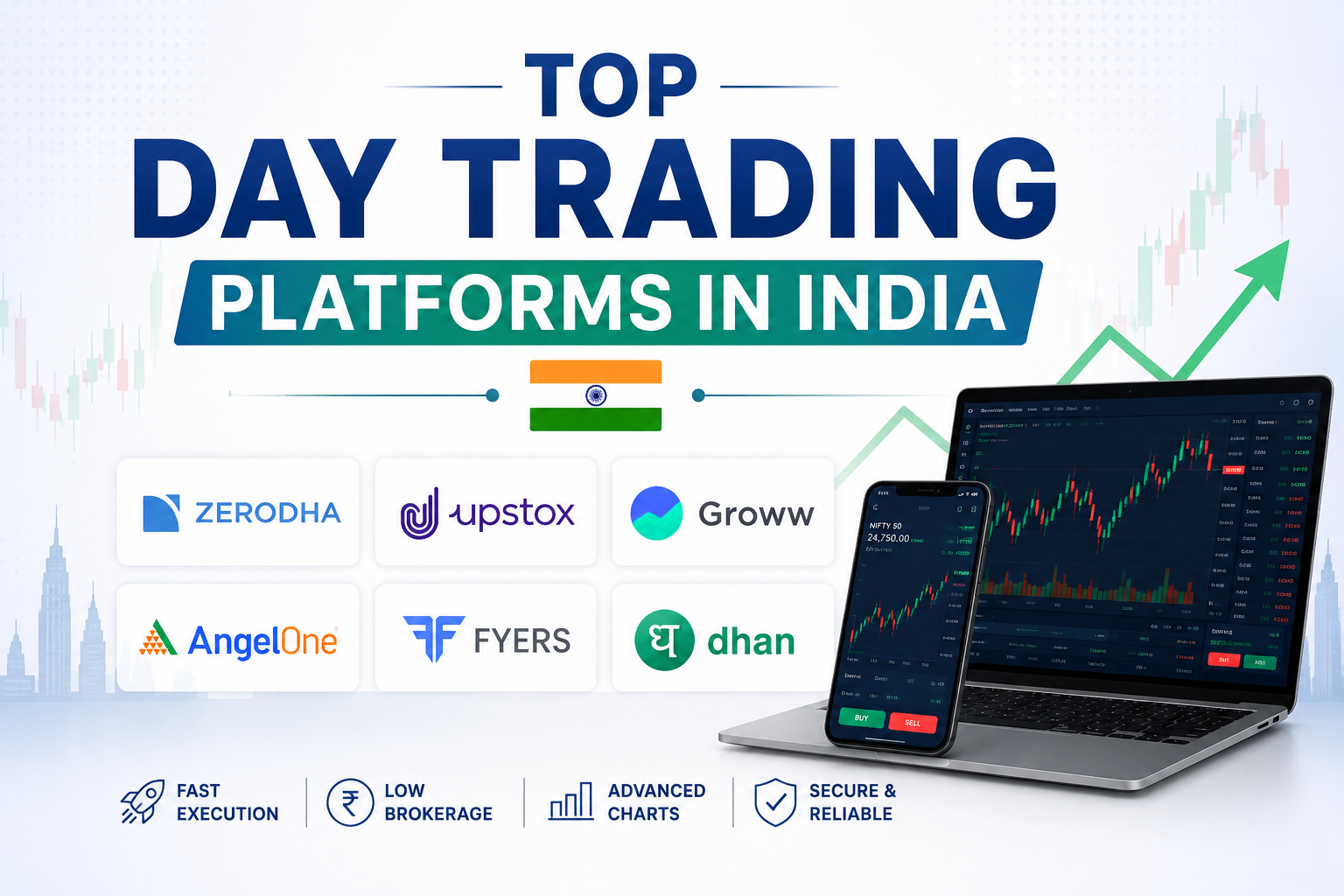




An Online Trading Platformin India connects users with financial-market information and, where applicable, order execution through a market intermediary. In India, investors can access equities and other products through digital platforms, but the features and protections can differ from one provider to another.
Before selecting an online trading platform in India, users should look beyond promotional claims. A useful evaluation covers regulation, product availability, order management, charts, portfolio tracking, costs, security, support, and the reliability of the underlying technology.
1. Verify the Platform Operator
Start by identifying the company behind the platform. The website should provide clear legal and contact information. For regulated securities services, users should verify the intermediary through official sources.
This step is especially important because a website can look like a professional brokerage interface without necessarily being connected to a regulated market intermediary.
2. Understand the Products
Check whether the platform supports the products you intend to use. Depending on the provider, this might include equities, exchange-traded funds, mutual funds, derivatives, commodities, or other instruments.
Every product has a different risk profile. Access to futures and options, for example, can involve leverage and complex payoff structures.
3. Review the Order Management System
The order window is one of the most important parts of a trading platform. Users should be able to see the instrument, quantity, price, order type, and validity before submitting an order.
After submission, the platform should clearly show whether the order is open, partially executed, completed, rejected, or cancelled.
4. Look for Reliable Market Data
Charts and price feeds should be appropriate for the market and trading style. Check whether quotes are live, delayed, or subject to a particular subscription.
For active traders, delays can be particularly relevant. For long-term investors, broader research and portfolio information may be more important.
5. Evaluate Charting Tools
A useful platform may provide multiple time frames, technical indicators, drawing tools, volume information, and customizable layouts.
However, advanced charting should not be confused with better investment results. Tools are useful only when the user understands how to interpret them.
6. Check Portfolio and Position Tracking
A platform should provide a clear summary of holdings and open positions. Useful information can include quantity, average price, current value, realized results, and unrealized results.
Historical statements and transaction records are also important for tracking activity.
7. Compare the Complete Fee Structure
Look at brokerage as well as other applicable charges. Depending on the product and transaction, users may encounter taxes, exchange fees, statutory charges, and other costs.
Always read the current pricing schedule. A low advertised brokerage figure may apply only to selected products or conditions.
8. Examine Risk Controls
Some platforms provide alerts, position limits, stop-related order features, and other risk-management tools. These can help users manage exposure.
Risk controls are particularly important when derivatives or leveraged products are involved. Users should understand the conditions under which a position can be squared off or a margin requirement can change.
9. Check Security
A financial platform should provide appropriate account security. Look for strong authentication, secure login processes, alerts, and clear device-management controls.
Users also have a role in security. Never share passwords, PINs, or one-time authentication codes through unofficial channels.
10. Evaluate Support
Technical or account problems can become urgent when a position is open. Check available support channels, operating hours, and the provider’s published grievance process.
The platform should make it easy to find help rather than forcing users to search through unrelated pages.
11. Understand the Difference Between Trading and Informal Arrangements
Some websites use terms such as trading platform, margin, or market access while operating outside recognized exchange structures. A platform’s terminology does not determine its regulatory status.
Users should verify how orders are executed, where trades are recorded, who holds the account, and what investor protections apply.
12. Test Before Committing Significant Funds
Where possible, explore the interface, read documentation, and use available demonstration or paper-trading facilities. This can help identify confusing workflows before real funds are involved.
Conclusion
An online trading platform in India should be evaluated as both a technology product and a financial service. Regulation, product coverage, order handling, data quality, costs, security, risk controls, portfolio reporting, and support all matter.
Rather than choosing an application solely because of advertising or a low headline fee, users can compare these practical features against their own requirements. Understanding the platform before placing an order can make the trading process more transparent and easier to manage.
It is also useful to check how the platform handles statements, contract notes, order confirmations, and account records. These documents provide a clearer trail of activity than screenshots or messages. Users should understand which entity is responsible for executing the order and which entity holds or settles the relevant asset. A platform that communicates these details clearly makes it easier for a user to understand the service before using it.
Before selecting an online trading platform in India, users should verify the provider, product coverage, order types, market-data arrangements, costs, security, and support. A Trading Platform should make the execution and record-keeping process clear instead of relying only on promotional claims.