



There have been many developments in terms of the involvement of participants in the Indian financial market through equities, commodities, and derivatives. Besides the traditional stockbroking firms and trading platforms, off-market trading networks, also called Dabba Trading, still remain attractive to investors who seek settlement outside conventional means, high leverage, and lower statutory charges.
Finding Reliable Trusted Dabba Trading in India entails knowing the workings of the off-market trading process, gauging the reliability of the Trading Platform, and balancing zero-brokerage trading against risk.
Understanding Trusted Dabba Trading in India
Dabba trading (literally translating to “box trading”) operates as a parallel, informal stock trading system. Instead of orders being routed to formal central exchanges such as the National Stock Exchange (NSE) or the Bombay Stock Exchange (BSE), trade orders are matched and executed internally within a private ring or network.
How Off-Market Mechanics Work
In a typical setup, the trade operator or operator software acts as a mini-exchange:
- Price Synchronization: Quotes are tracked against live exchange feeds in real time.
- Internal Settlement: Position profits and losses are settled in cash between the operator and trader, bypassing standard clearing corporations.
- Margin & Leverage: Traders often access higher leverage with lower capital requirements compared to strictly regulated brokerages.
Key Features of a Trusted Trading Platform
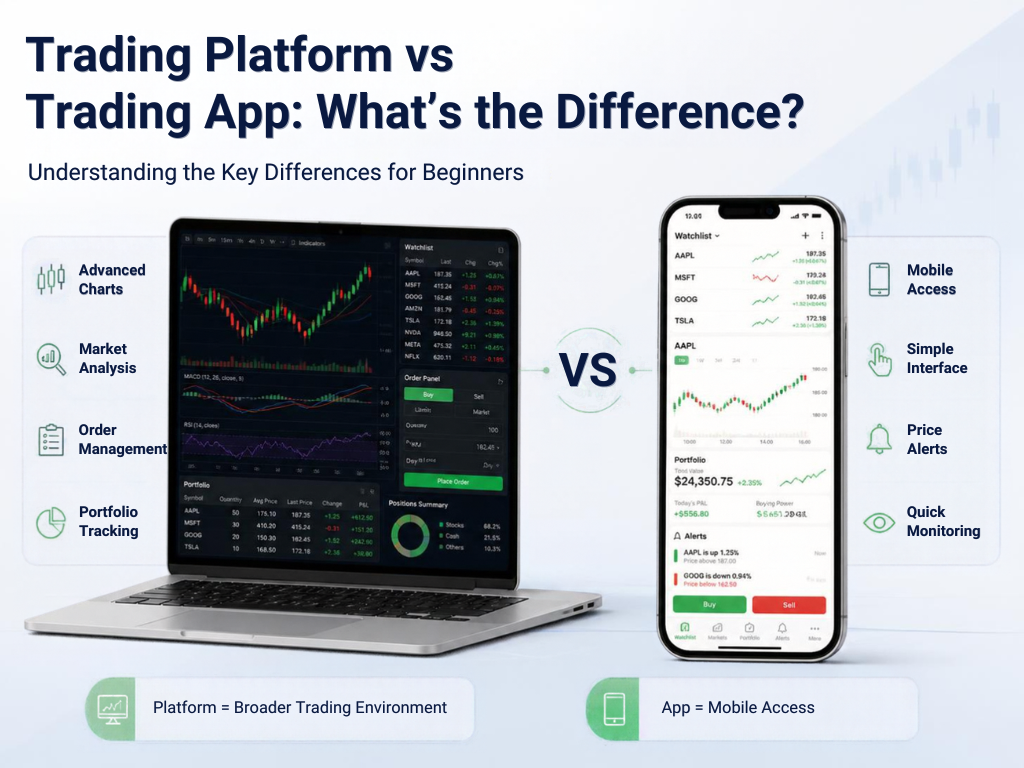
When evaluating any financial platform, software stability, data integrity, and operational transparency are critical. A modern Trading Platform designed for high-frequency or off-market trade tracking should provide the following core features:
1. Ultra-Low Latency & High Execution Speed
Price movements in volatile markets happen in milliseconds. A robust system ensures order placement and position updates mirror live market prices without lag or slippage.
2. Intuitive Mobile & Web Interfaces
With an intuitive interface, traders can keep tabs on the order book, set up their stop losses, and track their profits and losses easily.
3. Account Confidentiality and Settlement Flexibility
Many market participants Favor alternative setups due to enhanced transaction privacy and customizable settlement cycles (daily, weekly, or contract-based).
4. Transparent Margin Policies
Clear visibility into margin call triggers, leverage ratios, and balance tracking protects both operators and traders from unexpected position liquidations.
Steps to Get Started with Dabba Trading Platforms
To evaluate and set up your trading workflow effectively, follow this structured process:
- Assess Software Stability: Make sure that the platform provides stable mobile and browser-based access along with live price feeds.
- Check Settlement Policies: Get to know about the payment arrangements, cash balances, and margin policies before investing money into it.
- Use Smaller Lots First: Try out the order processing speed and cash withdrawals using smaller amounts of trade first.
- Keep Separate Record: Maintain your own records on entry prices, exits, and profit and loss per day.
Conclusion
Accessing the world of financial trading needs choosing the right Trading Platform based on speed, efficiency, and safety. From researching conventional channels to finding out how Trusted Dabba Trading in India works, knowing about risk, stability, and settlement policy is key for each participant in the market.
Explore updated market tools, execution features, and platform tutorials at Dabba Trading Platforms to make informed trading decisions today!
Frequently Asked Questions (FAQs)
What is Trusted Dabba Trading in India?
Trusted Dabba trading refers to finding reliable, highly secure platform operators in India that provide accurate live exchange feed synchronization, reliable cash settlements, and transparent margin terms without price manipulation.
How is a Dabba Trading Platform different from a regular broker?
In a regular brokerage system, orders get processed via regulated stock exchanges (NSE/BSE) with STT, GST, and brokerage charges applicable. On the other hand, a Dabba trading platform processes trades internally via stock exchanges, with no formal tax or official charges levied.
Is Dabba Trading legal in India?
No, dabba trading is illegal in India as per the Securities Contracts (Regulation) Act. The Securities and Exchange Board of India classifies off-market trading as an offense.